Day 18 - Wednesday, August 19, 2026
A shy young girl served me a large omelet in the morning, then I set off northward. Soon, I crossed River Vistula, the source of which is in southern Poland and it flows into the Baltic Sea.
It was so that I crossed into the Voivodeship Świętokrzyskie, not an easy name to spell. I reached the town of Staszów, with a pretty market square with a nicely renovated town hall. There was an information center - and I thought to enter it to get some information of the area. I definitely got more than I asked for. A friendly lady gave me about 3 extensive (and rather heavy) maps, then she gave me a tour of the town hall, hosting an exhibition of historical artifacts of the area. She also told me the touristic highlights of both her town and its surroundings. In all, I spent over an hour there. One exhibit was a Torah from the 16th century, which survived the Holocaust intact.
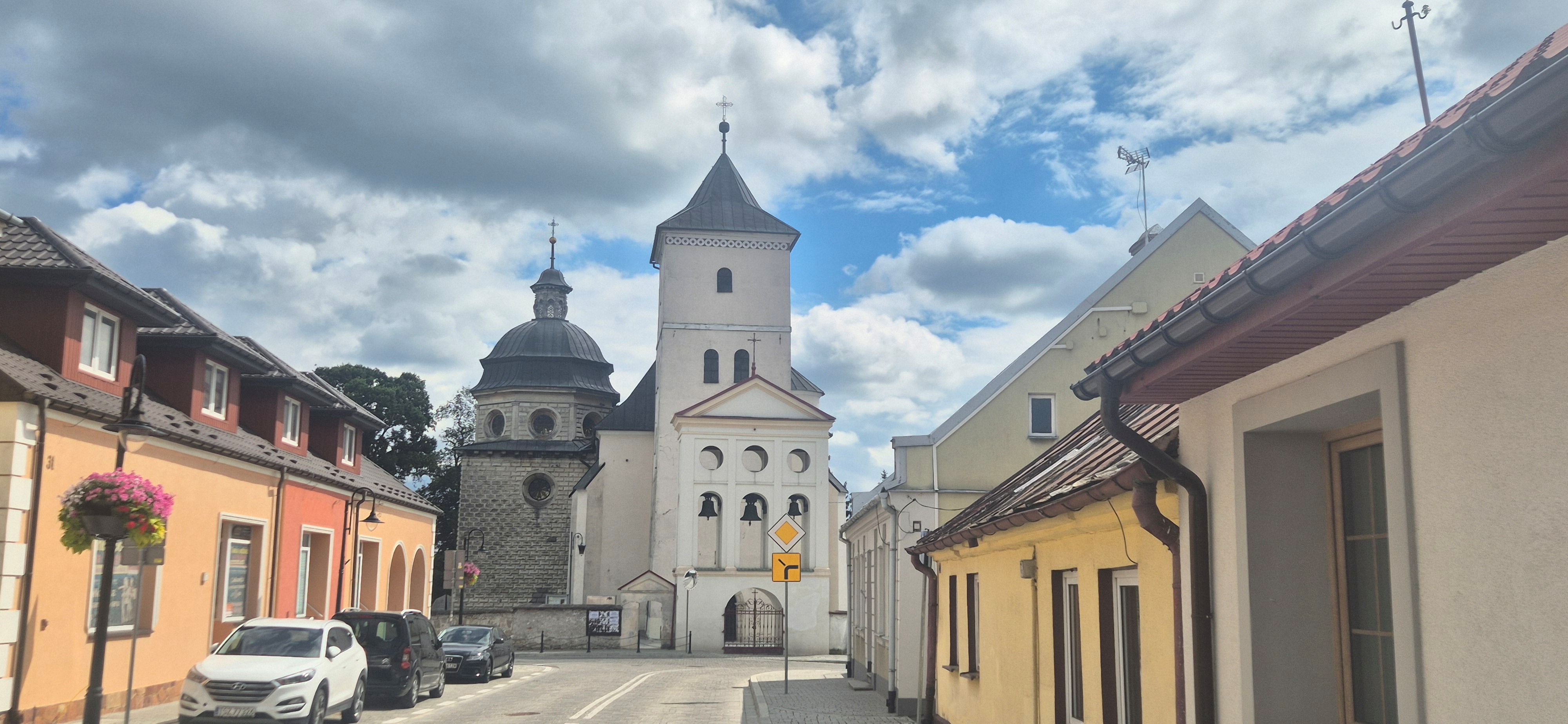
Church from the 14th century
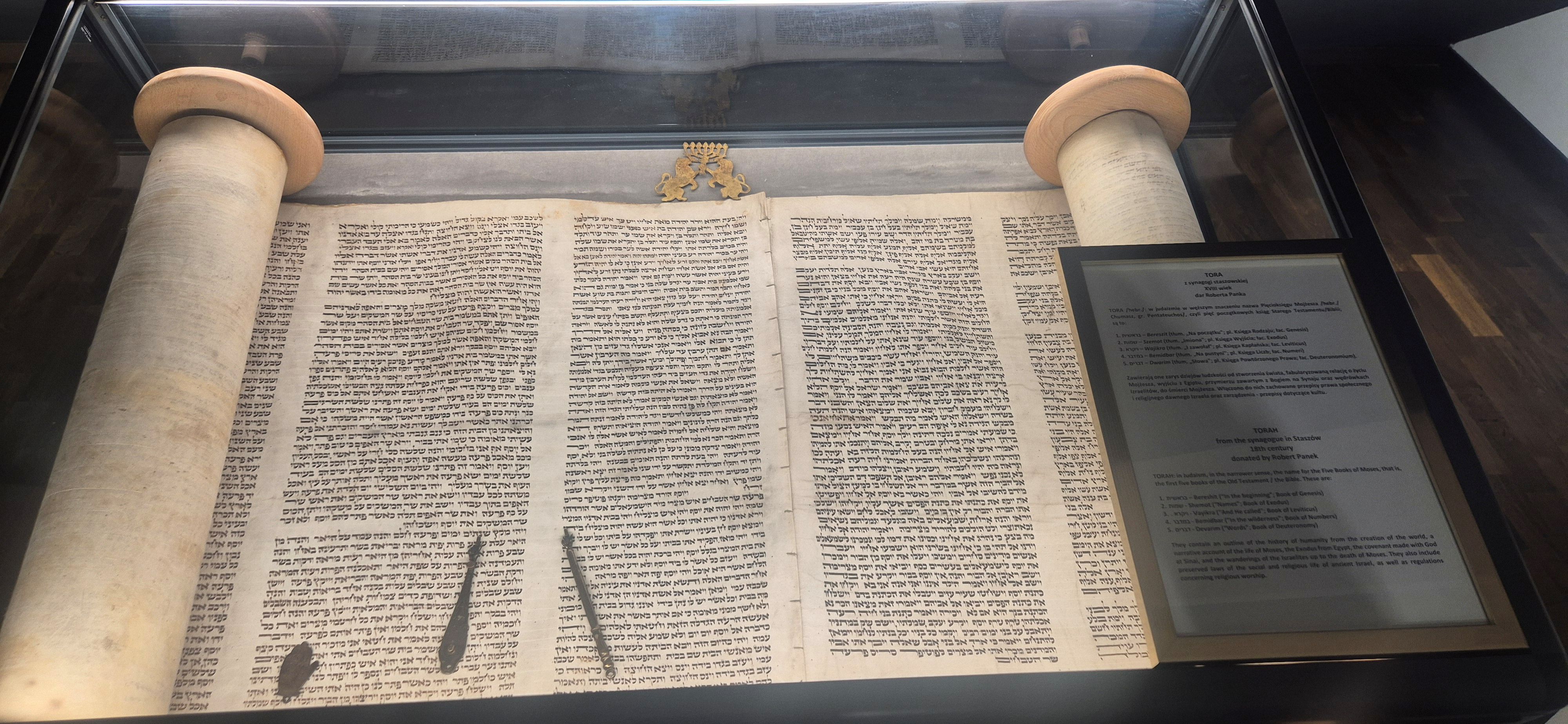
Surviving Torah
One of the interesting spots not far from town was towards the northwest, it is the Palaca Kurozwęki. It was built on the second half of the 14th century. Over the centuries the castle was rebuilt several times and given a representative character. By the end of the 18th century, the building evolved from a defensive castle into a baroque and classicistic residence. The palace is midst of a large garden, where a herd of American bisons can be found (apparently the only one in Poland). As I was a bit strapped for time, I stralled the gardens, but did not enter the historical building.
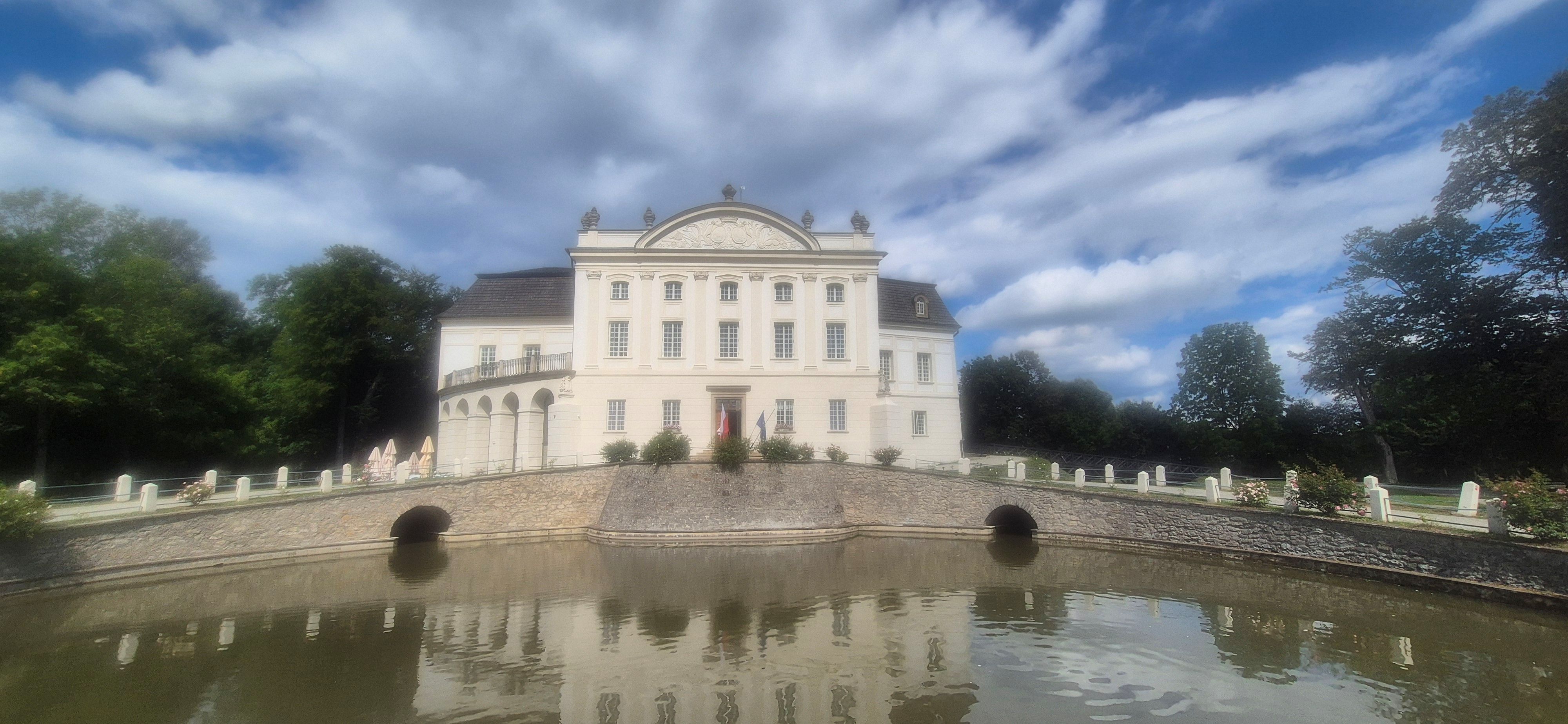
Palace Kurozwęki
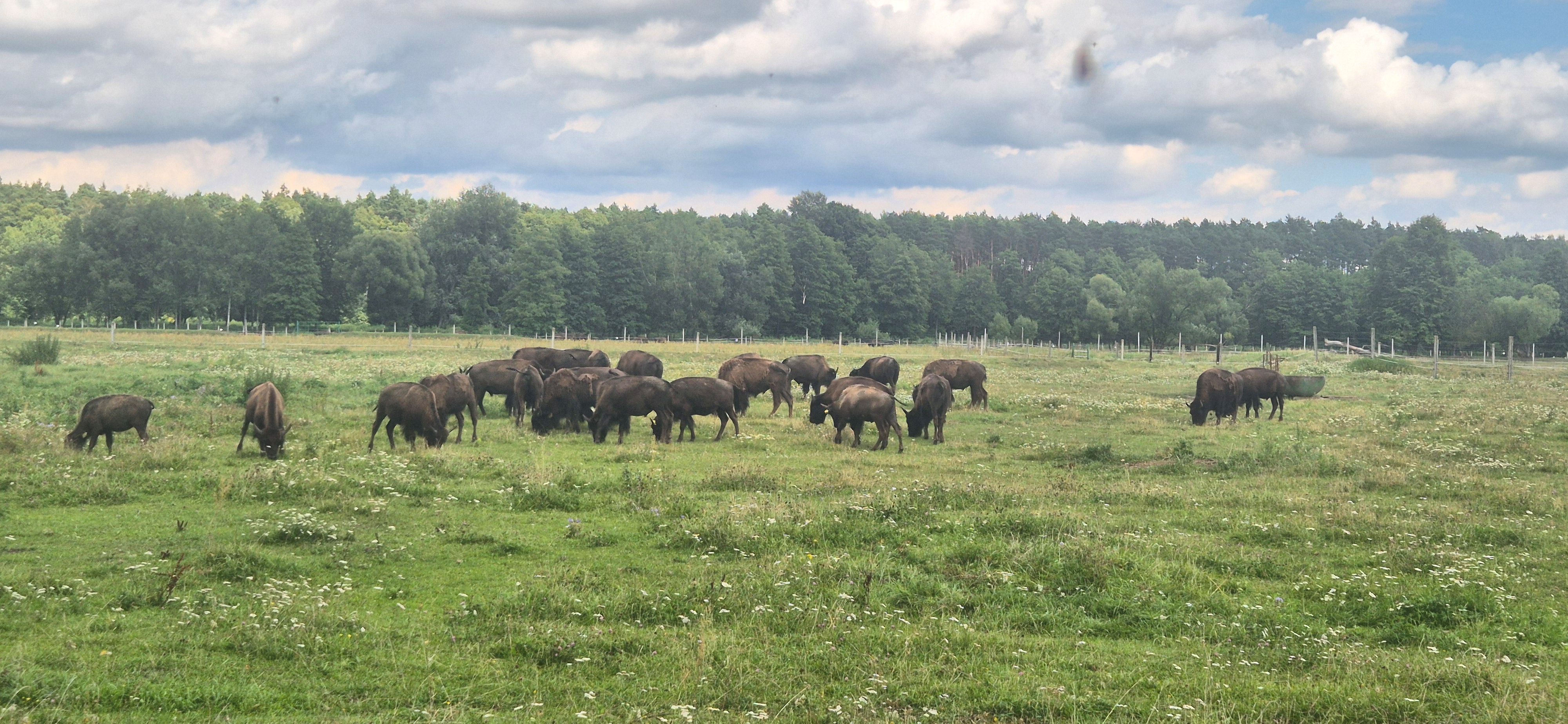
American bisons
The next highlight was the fortified town of Szydłów. On the way there, I made a small rest due to a short rain shower, after which it was again sunny. The history of the town dates back to the 12th century, it includes several buildings and churches dating to the 14th century and the ruins of a castle from the same period, and a 16th-century synagogue. There is an unfortunate Hungarian connection: George II Rákóczi, Prince of Transylvania (and grandfather of Ferenc Rákóczi, the leader of the uprising against the Habsburgs) attached and destroyed this town, despite its fortified walls, in 1657. The e town lost its former prosperity and importance as a regional center and never fully recovered from the catastrophe. As such, I did not reveal I was from Hungary.
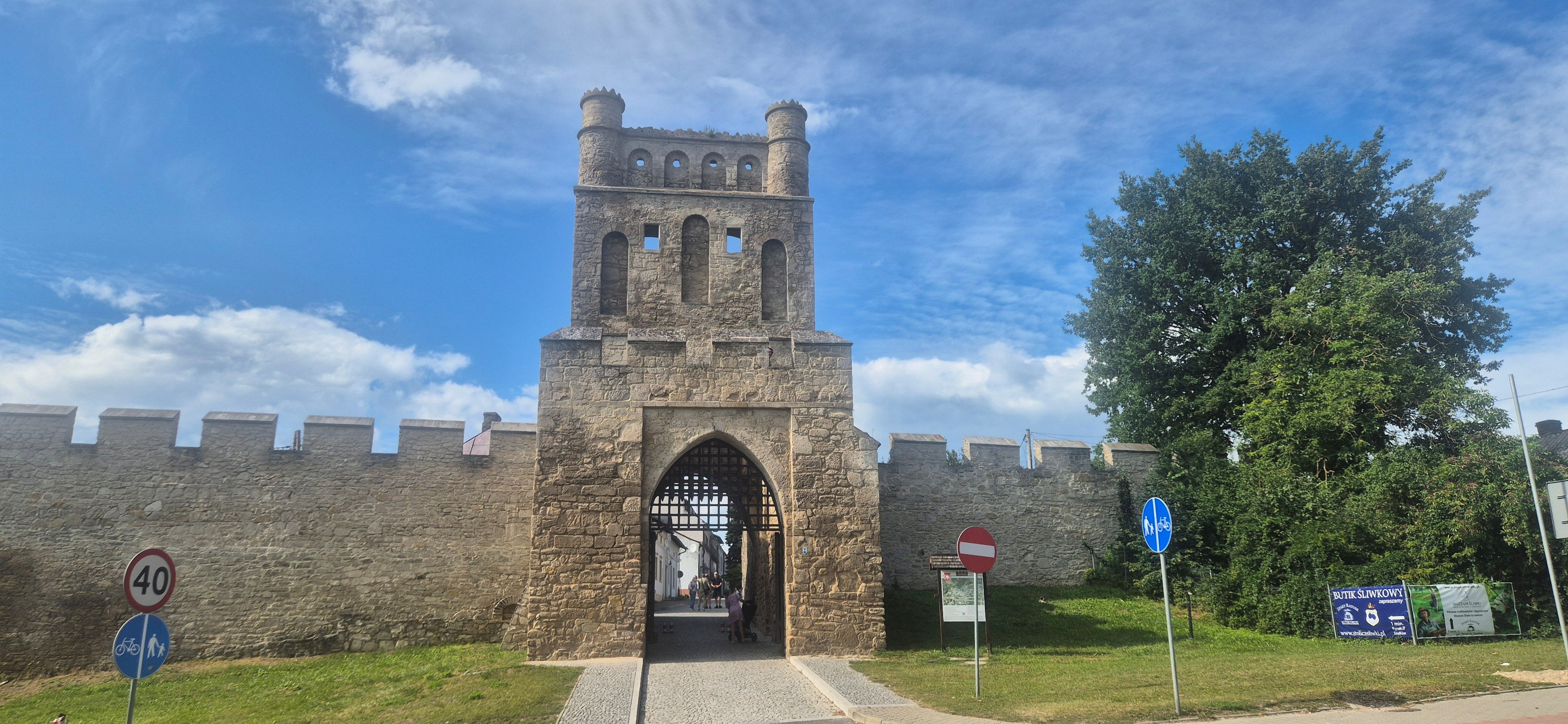
Walls of Szydłow1
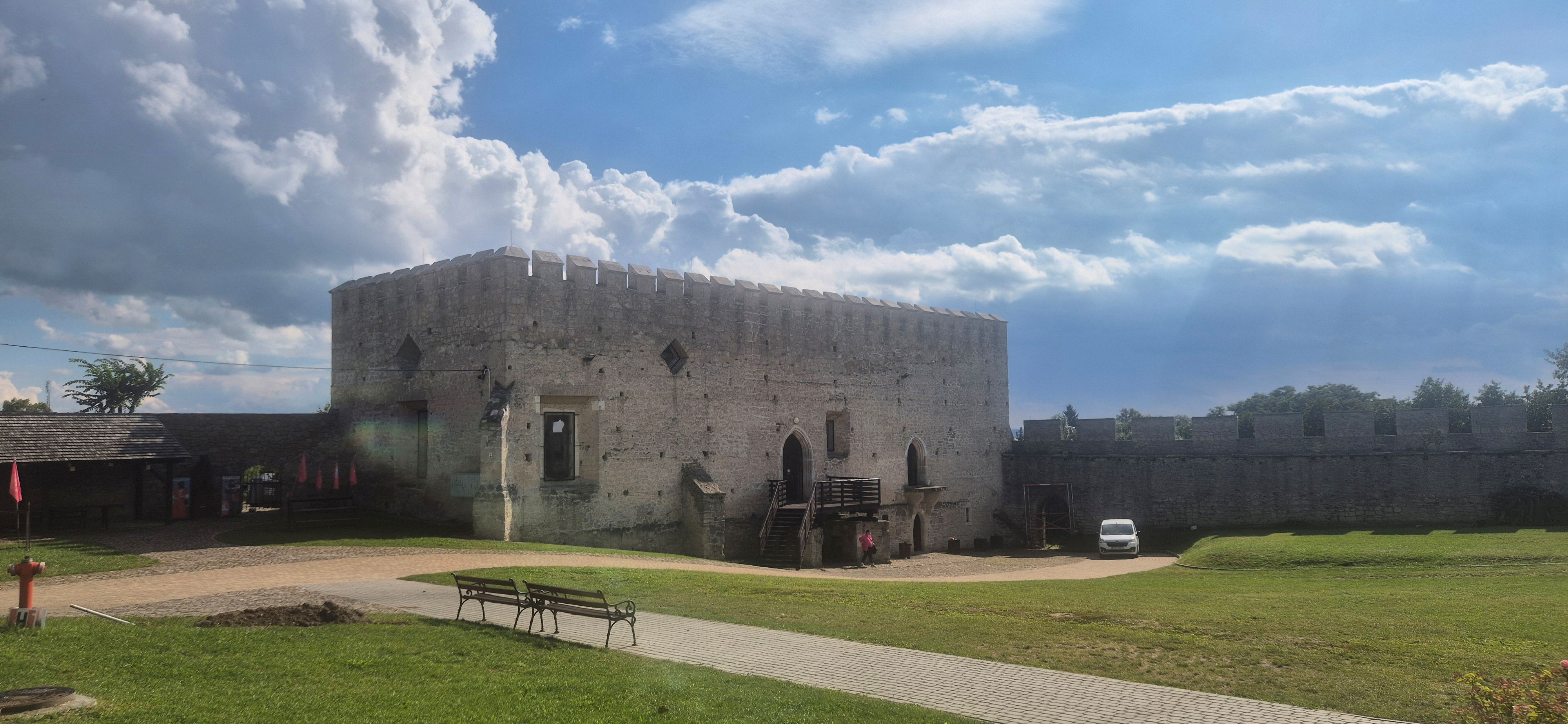
How did any enemy take this in?
It is a plum area where I was riding through and I got a handful of plums from farmers picking their tree. Through such farmlands I reached the vicinity of the major town of Kielce in the evening. The transition from the rural area to a city was rather sound. I found a wide bike with excellent pavement next to a busy road, inclining up to the city - it was quite a climb. On the way, I stopped a biker - something was not quite sound with my bike and he recommended a shop for the following day. The houses on outskirt of the town were modern, Kielce appeared to be a prosperous city.
Near the center, I found a very nice accommodation for around €50, called Willa Hueta; a 4-star boutique hotel located in a restored Neo-Renaissance historic villa.
Despite something not feeling right about the bike, I still covered some 108 kilometers that day, with an elevation gain of 725 meters.